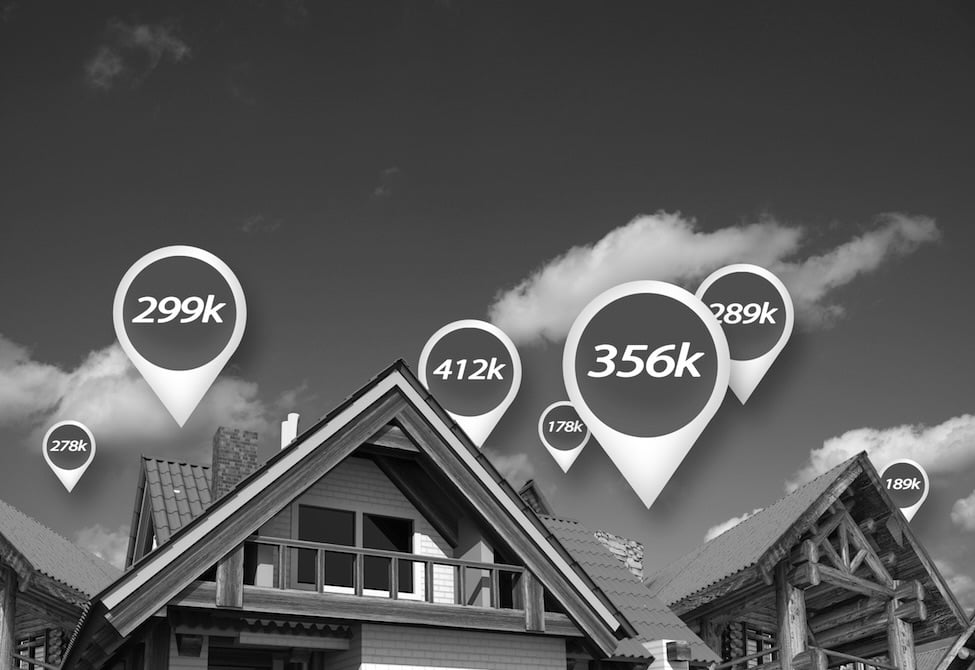
Should you sell first or buy first? It’s one of the most common—and consequential—questions San Jose homeowners face when planning a move. With high property values, competitive buying conditions, and limited inventory in many neighborhoods, the order of your transaction can have a major impact on your finances, stress level, and overall experience.
There’s no universal right answer. The best approach depends on your equity position, loan qualifications, risk tolerance, and how flexible your timeline is. Understanding the pros and cons of each option can help you make a confident decision instead of reacting under pressure.
Selling Your Home Before Buying
Selling first is often the more conservative and predictable path, especially in a high-cost market like San Jose. When you sell your home before purchasing another, you know exactly how much equity you’ll walk away with. That clarity makes it easier to budget, plan a down payment, and qualify for your next mortgage without guesswork.
Another major advantage is avoiding the risk of carrying two mortgages at once. Even for financially strong homeowners, overlapping payments can feel uncomfortable—particularly if the sale takes longer than expected or market conditions shift. Selling first eliminates that uncertainty and keeps your financial picture clean.
The primary drawback is timing. If your home sells quickly, you may need short-term housing before moving into your next property. This could mean renting temporarily, staying with family, or coordinating a later purchase date. While this inconvenience isn’t ideal, many sellers find the financial certainty well worth it.
Selling first tends to work best for homeowners who need their sale proceeds to fund the next purchase, want to minimize risk, or prefer knowing their exact numbers before making another commitment.
Buying a New Home Before Selling
Buying first offers a different kind of peace of mind. Securing your next home before listing removes the pressure of finding something quickly after selling, which can be especially appealing in neighborhoods with limited inventory or homes that move fast.
This approach also allows for a smoother physical transition. You can move directly from one home to the next without temporary housing, rushed packing, or short-term rentals.
However, buying before selling usually requires stronger financial positioning. Lenders may need to approve you to carry two mortgages at once, or you may need bridge financing to access your equity before selling. Not all buyers qualify, and approvals depend on income, reserves, and overall debt ratios.
There’s also market risk to consider. If your current home takes longer to sell or sells for less than anticipated, you may feel financial pressure afterward. Buying first can work well, but it’s best approached with careful planning and lender guidance.
Using a Rent-Back to Create Flexibility
In San Jose, one of the most effective ways to reduce stress is a rent-back agreement. A rent-back allows you to sell your home, close escrow, and then remain in the property for a set period—often 30 to 60 days—while you finalize your next purchase.
This strategy combines the benefits of selling first with the convenience of buying without rushing. You gain access to your sale proceeds while staying in your home long enough to move smoothly into the next one.
Rent-backs are common in the local market and are often built directly into the purchase contract. When structured correctly, they provide flexibility for sellers and clarity for buyers, making them a powerful tool during a move.
How Local Market Conditions Affect the Decision
National real estate headlines don’t tell the full story. San Jose is a collection of micro-markets, each with its own rhythm depending on neighborhood, price point, and property type.
In many cases, well-prepared homes priced correctly sell quickly, while others may require more time depending on competition and buyer expectations. Understanding how homes like yours are performing—and how competitive your target buying area is—should factor into your decision.
Key considerations include current inventory levels, buyer demand in your price range, lender requirements, and whether buyers are accepting rent-back terms. Timing your sale and purchase strategically within these conditions can make a meaningful difference.
Equity, Risk, and Personal Comfort
Beyond the numbers, personal comfort plays a major role. Some homeowners prioritize certainty and are willing to tolerate short-term inconvenience to avoid financial risk. Others value control over timing and are comfortable managing temporary overlap if it means securing the right home.
Questions worth considering include whether you can comfortably handle two housing payments if needed, how flexible your move timeline is, and whether you need sale proceeds to qualify for your next purchase. Honest answers to these questions often point clearly toward the right strategy.
Planning the Right Sequence Matters
Selling and buying isn’t just about order—it’s about coordination. Financing, timing, negotiations, and market exposure all intersect, and a clear plan helps prevent costly missteps.
With thoughtful preparation, many San Jose homeowners successfully sell and buy within a short window without unnecessary stress or compromise. The key is choosing a strategy that aligns with your financial position and long-term goals, rather than forcing a one-size-fits-all approach.
For a step-by-step move plan tailored to your timeline, finances, and neighborhood, contact Dennis Loewen with North and Main Homes. The right strategy can make all the difference when navigating a major transition like this.
🎥 Watch the full video here: Sell First or Buy First?